
The intricate art of Chinese calligraphy and writing stands as a testament to the profound depth of Chinese culture and history. Its significance transcends mere pen strokes on paper, embodying centuries of tradition, wisdom, and societal values. From the careful formation of characters to the symbolism woven into each stroke higher chinese tuition, Chinese calligraphy serves as a mirror reflecting the essence of a civilization. As we explore its multifaceted role in shaping languages, identities, and artistic expressions, we uncover a world where words are more than just communication—they are living, breathing entities that carry the weight of a nation’s legacy and aspirations.
Historical Significance of Chinese Calligraphy
What role did Chinese calligraphy play in shaping the cultural and artistic landscape of China throughout history?
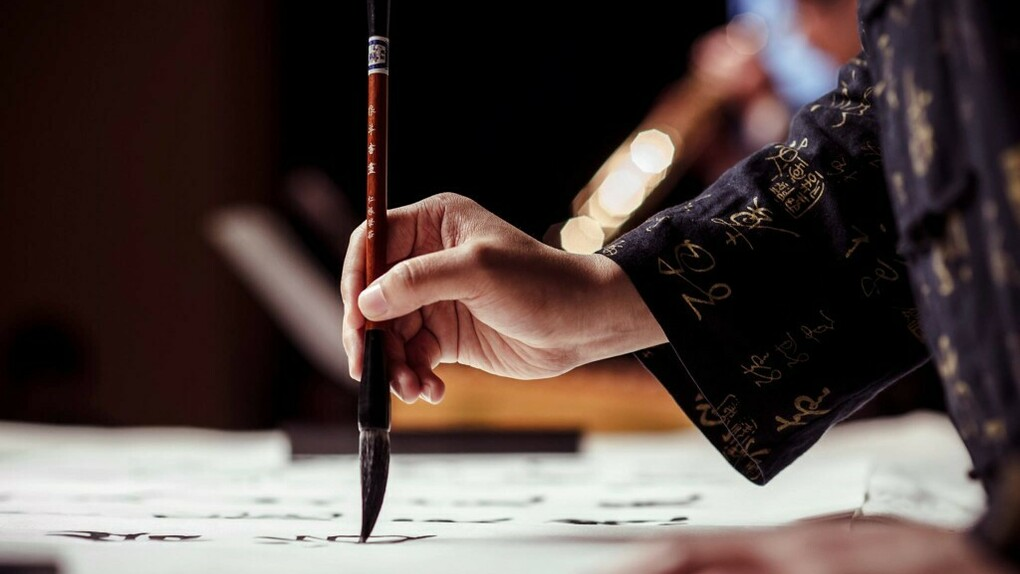
Chinese calligraphy holds a revered position in Chinese culture, deeply intertwined with its history and traditions. Dating back over 2,000 years, it has been instrumental in shaping the aesthetics and artistic expressions of the Chinese people. Calligraphy in China is not merely writing; it is seen as a visual art form, a means of self-expression, and a reflection of the writer’s inner self.
Throughout history, Chinese calligraphy has been a symbol of education https://www.yanzimandarin.com/, culture, and social status. Mastery of calligraphy was considered essential for scholars and officials, with many spending years honing their skills. It served as a medium for transmitting knowledge and preserving cultural heritage, with famous calligraphers revered and their works treasured.
Chinese calligraphy also played a crucial role in the development of printing and typography. The intricate strokes and artistic flair of calligraphy influenced the design of Chinese characters, which in turn impacted the development of Chinese printing techniques. Thus, Chinese calligraphy not only shaped the cultural and artistic landscape of China but also left a lasting imprint on the evolution of written language and communication.
Symbolism in Chinese Characters
Exploring the intricate symbolism inherent in Chinese characters reveals a rich tapestry of cultural significance and historical context. Chinese characters, known as Hanzi, are not merely tools for communication but also carriers of profound meanings. Each stroke, radical, and component within a character can convey layers of symbolism that reflect Chinese philosophy, history, and societal values.
For example, the character for ‘love’ (爱) consists of the radical ‘heart’ (心) at its center, symbolizing the emotional nature of love in Chinese culture. Similarly, the character for ‘harmony’ (和) combines the radicals for ‘mouth’ and ‘grain,’ representing the concept of people coming together like grains of rice in a mouth, signifying peace and unity.
Moreover, the evolution of Chinese characters over thousands of years has intertwined them with historical events, folklore, and cultural practices, making each character a window into China’s past. Understanding the symbolism behind Chinese characters unveils a deeper appreciation for the language and its profound connection to Chinese identity.
Influence on Chinese Identity
The intricate symbolism embodied in Chinese characters not only serves as a reflection of cultural depth but also plays a significant role in shaping the collective identity of the Chinese people. Chinese calligraphy and writing are deeply intertwined with the history, values, and traditions of the nation, contributing to a sense of unity and continuity among its diverse population.
The art of calligraphy, with its emphasis on precision, harmony, and beauty, instills in individuals a respect for tradition and an appreciation for the finer aspects of life. Through the practice of writing characters, individuals connect with their cultural heritage and reinforce a sense of pride in their identity as Chinese.
Moreover, the complexity and elegance of Chinese characters convey a sense of sophistication and intelligence, characteristics that are often associated with the Chinese people. The ability to read and write these intricate symbols is not only a practical skill but also a source of cultural pride and a defining element of Chinese identity.
Connection to Traditional Chinese Arts
Interwoven with the fabric of traditional Chinese arts, Chinese calligraphy and writing serve as foundational pillars that encapsulate the essence of cultural expression and artistic heritage. Chinese calligraphy, known as ‘Shufa,’ is considered one of the highest art forms in Chinese culture, alongside painting, poetry, and music. It is deeply connected to traditional Chinese arts such as painting and seal carving, often being displayed together in exhibitions to showcase the harmony and unity among these art forms.
Calligraphy is not merely about writing characters; it is about expressing the writer’s emotions, personality, and even spiritual state through brushstrokes. Artists must master the techniques of calligraphy, such as stroke order, rhythm, and composition, to convey meaning beyond the literal words. The connection between calligraphy and traditional Chinese arts lies in their shared emphasis on harmony, balance, and the beauty of simplicity. Through calligraphy, artists engage with centuries of artistic tradition and cultural values, creating a bridge to the past while inspiring new forms of artistic expression.
Role in Communication and Expression
Chinese calligraphy and writing play a crucial role in communication and expression by offering a unique form of visual storytelling through the intricate strokes and artistic presentation of characters.
Each stroke carries profound cultural symbolism, making the written language not just a means of communication but a reflection of Chinese heritage and values.
Through calligraphy and writing, individuals can convey emotions, ideas, and stories in a visually captivating and culturally significant manner.
Visual Storytelling Through Strokes
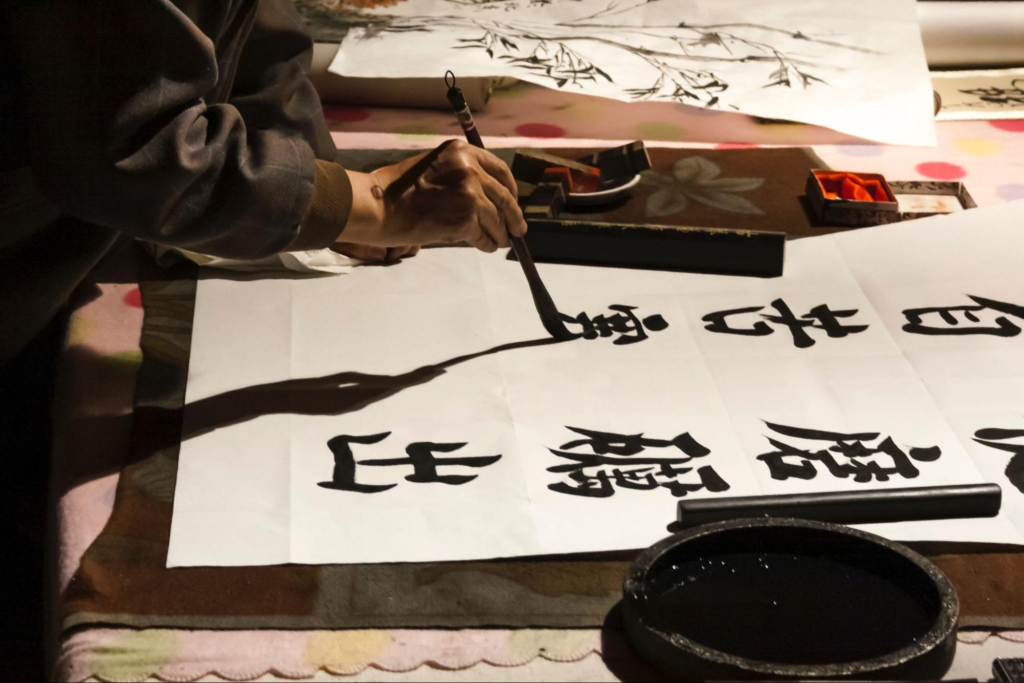
In the realm of visual arts, the intricate dance of strokes in calligraphy serves as a powerful medium for conveying narratives, emotions, and cultural nuances. Each stroke carries a story, a feeling, or a piece of history within its graceful curvature.
The deliberate variations in thickness, speed, and direction of the brush imbue the characters with a sense of movement and dynamism, creating a visual narrative that goes beyond mere words. Calligraphy allows for the expression of complex emotions and abstract concepts through the arrangement of strokes, inviting viewers to interpret the piece on a personal level.
Through this art form, artists can communicate subtle messages, evoke deep emotions, and preserve cultural heritage, making calligraphy a timeless and universal language of visual storytelling.
Cultural Symbolism in Characters
The intricate characters of Chinese calligraphy carry profound cultural symbolism, playing a pivotal role in communication and expression. Each stroke and line in Chinese characters represents more than just phonetic sounds; they encapsulate centuries of cultural heritage, values, and beliefs.
For example, the character for ‘love’ (爱) is visually represented by a combination of the characters for ‘heart’ and ‘acceptance,’ embodying the concept of love as acceptance from the heart. This profound symbolism enriches communication by infusing written words with layers of meaning, allowing for nuanced expressions that transcend mere language.
Through these characters, individuals can convey not only words but also emotions, history, and cultural identity, making Chinese calligraphy a powerful tool for preserving and transmitting cultural heritage.
Preservation of Cultural Heritage
Efforts to safeguard and uphold the rich cultural heritage of calligraphy and writing have become paramount in ensuring its legacy endures for future generations. Chinese calligraphy and writing hold immense historical and artistic value, reflecting the depth of Chinese culture and traditions. The preservation of this heritage involves various initiatives such as the digitization of ancient texts, the establishment of calligraphy museums, and the promotion of writing as an essential part of education.
Preserving cultural heritage is crucial not only for maintaining a connection to the past but also for fostering a sense of identity and pride among the Chinese population. By conserving and promoting traditional calligraphy and writing practices, society can ensure that future generations appreciate and continue these rich artistic traditions.
Moreover, the preservation of cultural heritage also plays a significant role in promoting cross-cultural understanding and appreciation. Through initiatives that showcase the beauty and complexity of Chinese calligraphy and writing, people from diverse backgrounds can gain insight into the cultural significance and historical evolution of these art forms. Ultimately, the preservation of Chinese calligraphy and writing serves as a bridge between the past, present, and future, enriching the cultural tapestry of humanity.
Modern Applications and Adaptations
Preserving Chinese calligraphy and writing heritage not only honors tradition but also paves the way for their modern applications and adaptations in contemporary society. In today’s world, Chinese calligraphy has found new life beyond traditional ink and paper. It has seamlessly integrated into digital platforms, where calligraphic fonts are used in graphic design, branding, and digital art. Artists and designers are experimenting with merging traditional calligraphy with modern techniques to create innovative visual expressions that resonate with a global audience.
Moreover, Chinese calligraphy is being utilized in therapeutic settings as a form of mindfulness practice. The deliberate strokes and focus required in calligraphy can have a calming effect on individuals, promoting mental well-being and concentration. Additionally, calligraphy classes and workshops are gaining popularity worldwide, attracting people from diverse backgrounds who are drawn to its beauty and meditative qualities. As Chinese calligraphy continues to evolve and adapt to modern contexts, its profound cultural significance remains a timeless beacon of artistic inspiration and self-expression.
Global Appreciation and Influence
Chinese calligraphy’s global appreciation and influence are evident in the cross-cultural artistic exchange that has enriched creative expressions worldwide. Its historical impact on art can be seen in the way it has inspired artists across different cultures and time periods.
Moreover, Chinese calligraphy’s contemporary relevance in design showcases its enduring appeal and adaptability in modern creative practices.
Cross-Cultural Artistic Exchange
In the realm of artistic expression, the interaction and exchange of creative ideas across different cultures have significantly shaped the evolution of various art forms. Cross-cultural artistic exchange fosters a global appreciation and influence that transcends boundaries.
Through this exchange, artists are exposed to diverse perspectives, techniques, and traditions, leading to a rich tapestry of artistic innovation. It allows for the blending of styles, themes, and mediums, creating hybrid forms that reflect the interconnectedness of our world.
This exchange not only promotes cultural understanding but also challenges artists to push the boundaries of their own creativity. By embracing cross-cultural artistic exchange, artists can draw inspiration from a multitude of sources, resulting in a dynamic and interconnected global artistic landscape.
Historical Impact on Art
Through centuries of cultural exchange and artistic dialogue, diverse civilizations have profoundly influenced the global artistic landscape, shaping the evolution of art forms and fostering a universal appreciation for creative expression.
Chinese calligraphy, with its intricate brush strokes and deep cultural significance, has had a lasting impact on art worldwide. Its influence can be seen in the development of various artistic styles, from traditional ink paintings to modern graphic design.
The elegance and beauty of Chinese calligraphy have inspired artists across different cultures, leading to a fusion of artistic techniques and a rich tapestry of global art forms. This cross-pollination of ideas and techniques continues to shape the art world, highlighting the enduring legacy of Chinese calligraphy in the realm of artistic expression.
Contemporary Relevance in Design
With its profound influence on contemporary design globally, Chinese calligraphy continues to inspire and shape artistic expressions across cultures. The elegance and fluidity of Chinese calligraphy have transcended borders, influencing various design disciplines such as graphic design, typography, fashion, and even architecture.
Designers worldwide draw inspiration from the intricate brushstrokes, balance of space, and harmonious composition found in Chinese calligraphy to create visually captivating and culturally rich designs. The minimalist aesthetic and emphasis on visual storytelling in Chinese calligraphy have become fundamental principles in modern design practices, fostering a cross-cultural exchange of ideas and aesthetics.
Conclusion
In conclusion, Chinese calligraphy and writing have played a pivotal role in shaping Chinese culture, identity, and aesthetics for over two millennia. Through its profound symbolism, historical significance, and global influence, Chinese calligraphy continues to be a revered art form that bridges the past with the present.
Its preservation of cultural heritage, connection to traditional arts, and adaptability in modern applications underscore its enduring importance in the world of art and culture.